




ZED

1st Symbolic Terracotta Work of Art

A work activated on request, designed to become a stable point in space

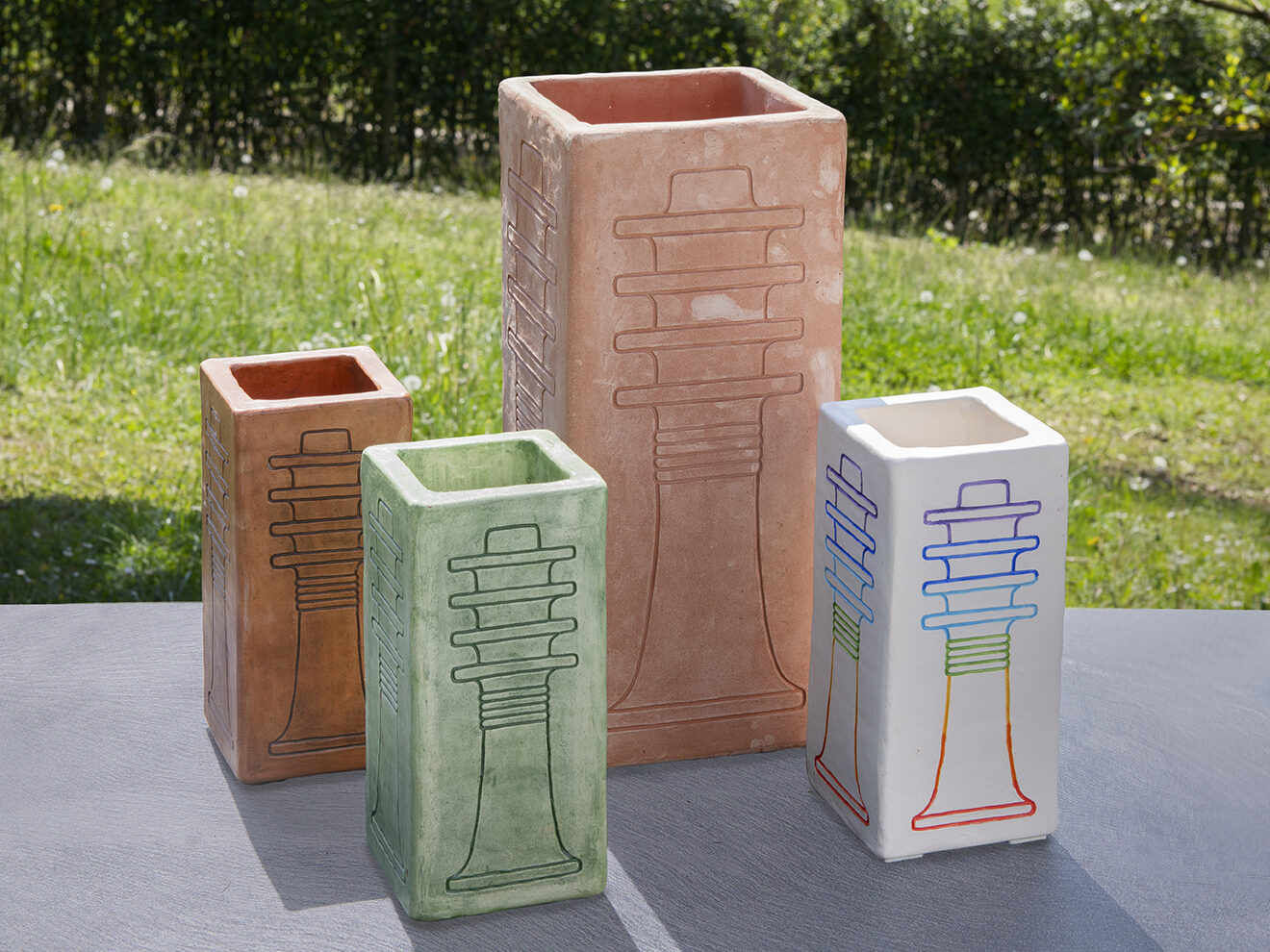
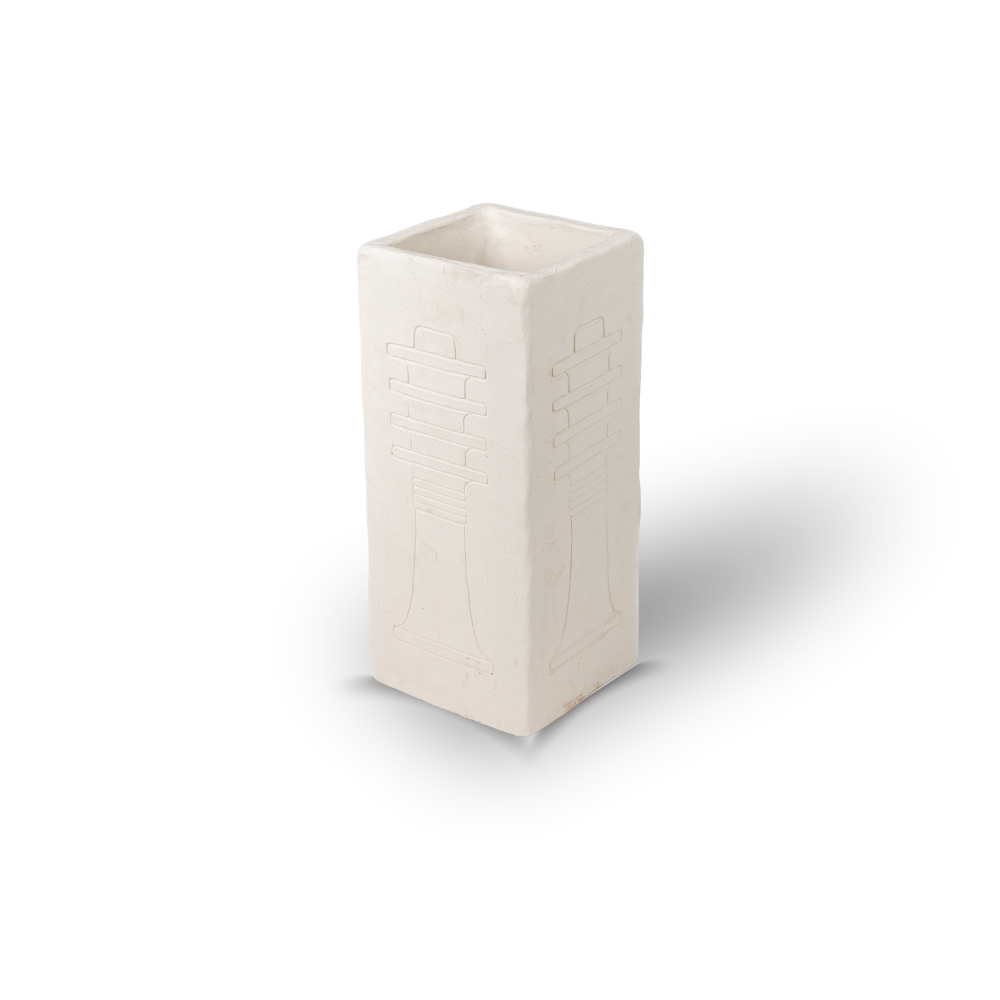
Inspired by the Tower of Osiris—a symbol of the connection between heaven and earth—the ZED embodies the ability to transform natural energy into harmony.
When the forces of the sun and the earth meet, a primary, harmonious energy is generated: stable, coherent, and vital.

A work that generates balance
Crafted entirely by hand in terracotta, the ZED is not just an object: it is an active presence in the space.
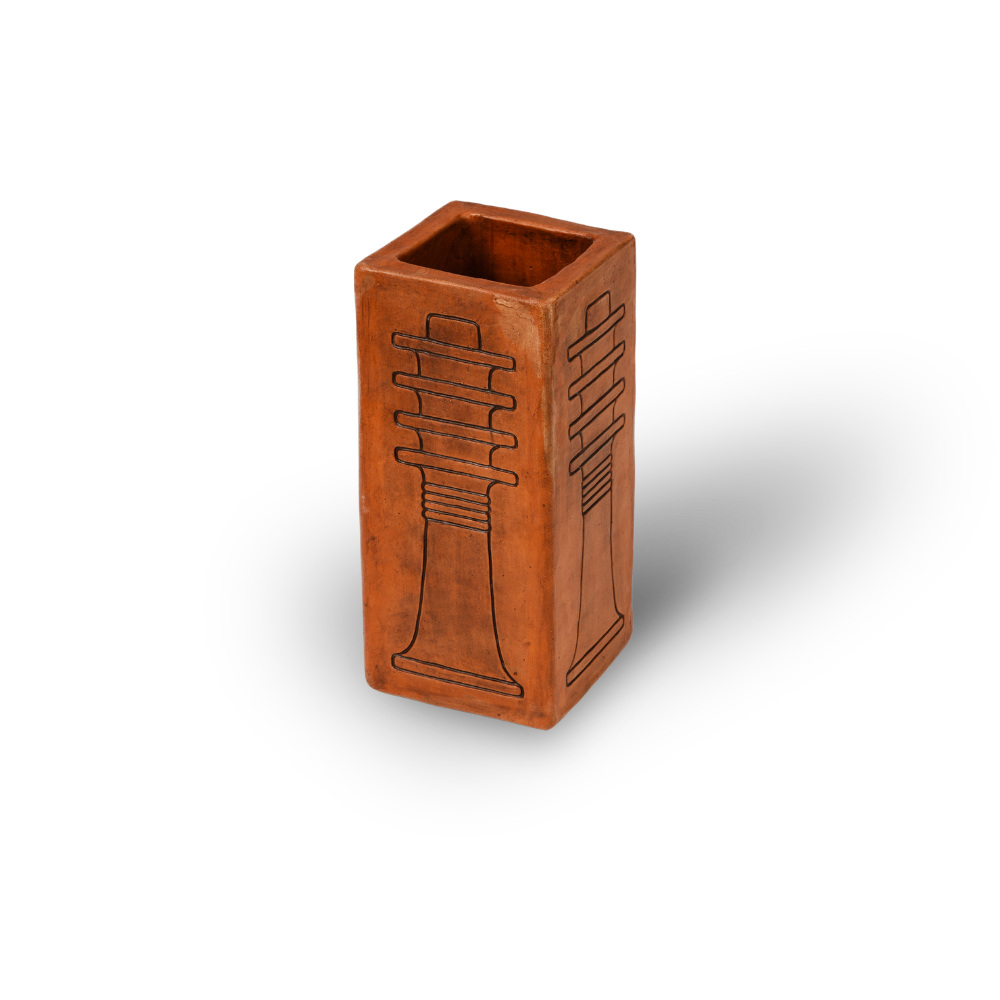
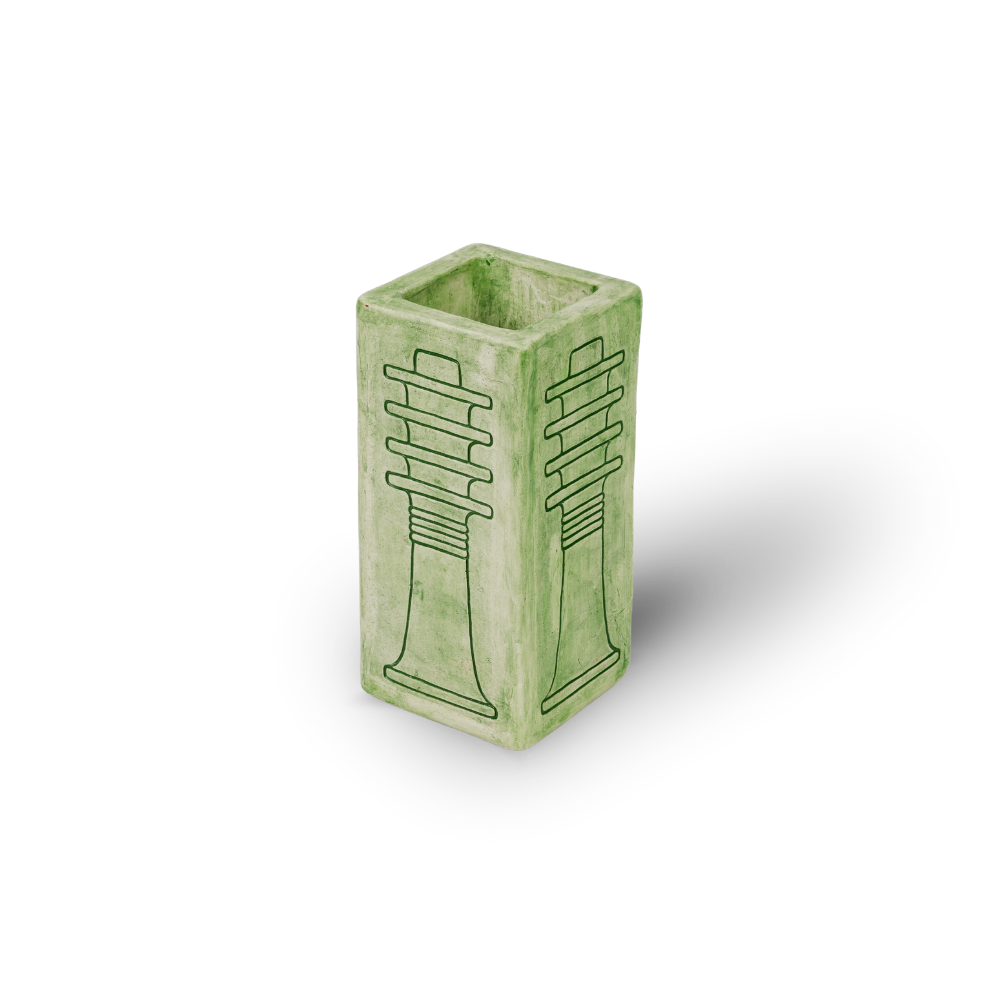
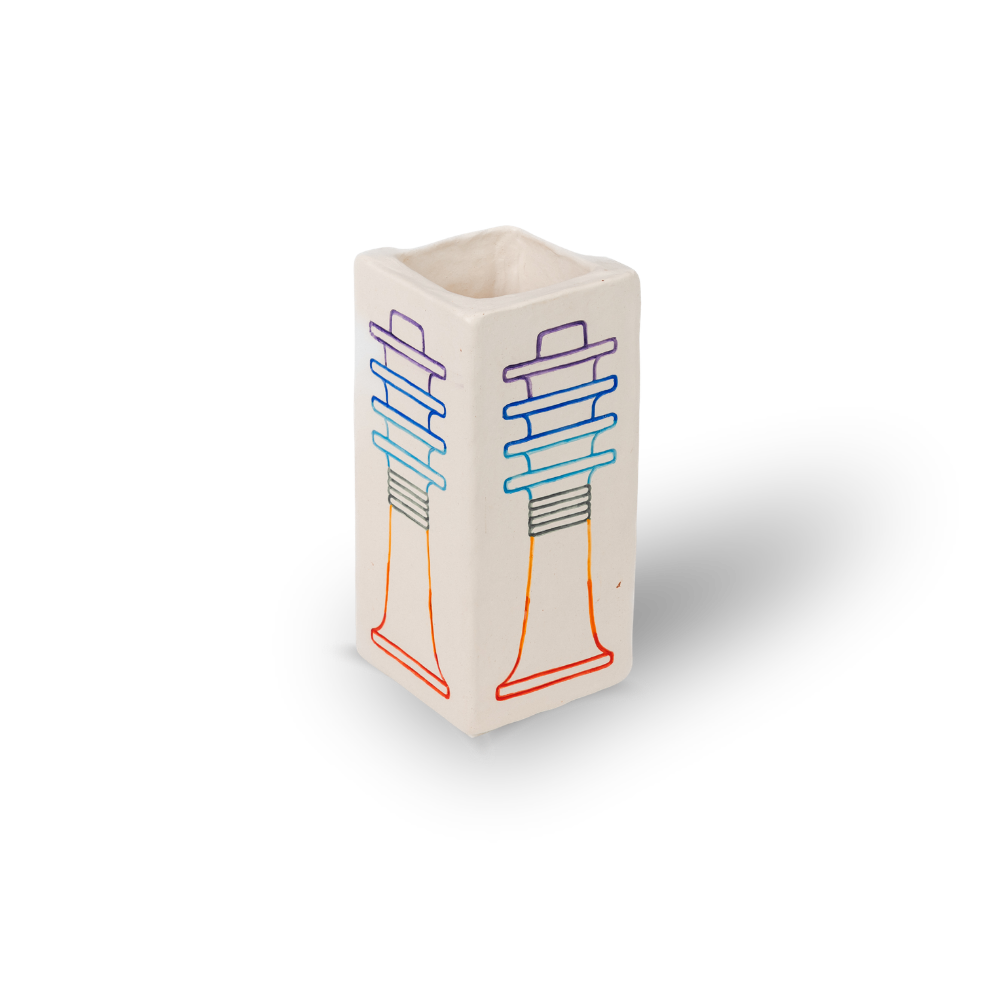
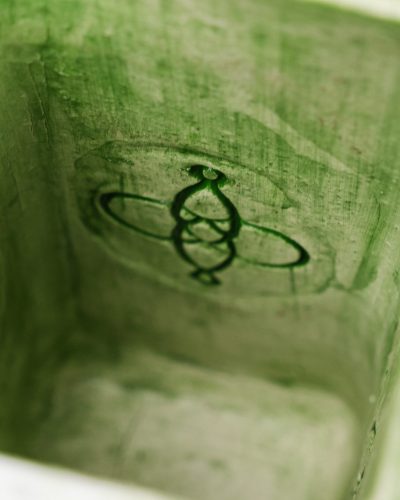
The symbol engraved on the exterior walls, together with the three internal symbols of protection—the Eighth Archetype, the First Letter of Wisdom, and the Anchor—creates a system that works on multiple levels:

✦ Invokes abundance and balance in the environment
✦ Reduces invisible disharmonies, promoting mental clarity and presence
✦ Rebalances surrounding elements, harmonizing space and person

Description

Symbolism

Activation

Dimensions, weight, finishes

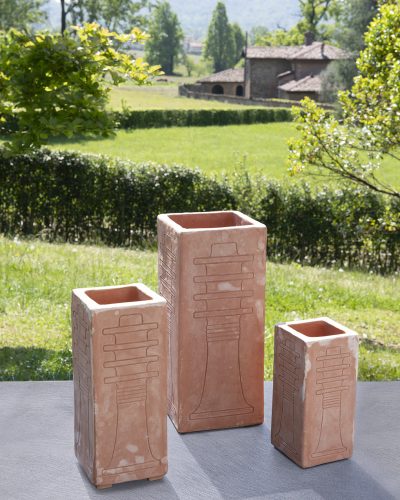
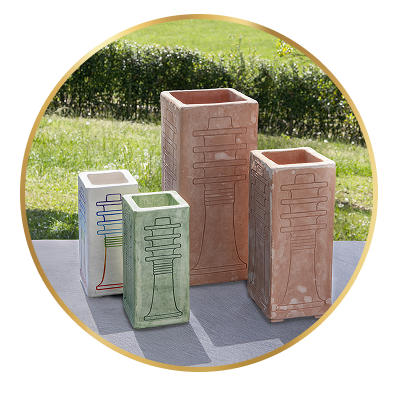
ZED is available in three sizes with weights and colors indicated in the specifications

  • Large 18×18×41 cm · approx. 9.2 kg
  • Medium 13×13×32 cm · approx. 5.1 kg
  • Small 11×11×24 cm · approx. 2.8 kg

Available colors
Terracotta · White · Leather · Green · Sand · Light Blue · White with rainbow insert

The Zed is made to order

Book a short, private call: we'll assess your space, the moment you're experiencing, and the most suitable size, then we'll start creating and activating it.

ZED – 1st Symbolic Terracotta Work of Art

The ZED represents the 7th archetype, a symbol of stability, structure, and balance.
Since ancient times, the number 7 was considered a foundation: Socrates called it one of the "building blocks of thought," essential for building awareness.
Inspired by the Tower of Osiris, the ZED embodies the connection between heaven and earth and the ability to transform energy into harmony.

Handcrafted from terracotta, it contains three symbols—the Eighth Archetype, the First Letter of Wisdom, and the Anchor—that work on protection, origin, and stability.
Its presence helps bring clarity, centering, and abundance, harmonizing the space and those who live in it.


Each piece is unique.
Inserting a ZED means creating an environment that supports and accompanies your daily evolution.

The internal symbols:

a protection and anchoring structure

Within each ZED, three specific symbols are inserted, conceived as the energetic structure of the work. This isn't an ornamental narrative: it's the very idea of ​​ZED: to create a fixed point in space capable of sustaining the new phase you're experiencing.

EIGHTH ARCHETYPE

It interrupts incoherence and brings energy back to the center.
It works on dispersion, overload, and interference, restoring clarity, protection, and presence.

FIRST LETTER OF WISDOM

It is the origin, the pure intention from which everything takes shape.
It evokes clarity, awareness, and coherence, keeping the space aligned with your essence.

ANCHOR SYMBOL

Grounds and stabilizes energy in space and within you.
It supports presence, inner strength, and clarity, creating a solid foundation from which to expand.

The process takes about 30–40 days, because slowness is the condition that makes the work stable, integral and unrepeatable.

PREPARATION AND ACTIVATION PROCEDURE

Akasha Seal
Creating the piece

The master ceramist shapes the clay, giving form to the work.

Akasha Seal
Natural drying

The piece is left to dry slowly to preserve its integrity.

Akasha Seal
Finishing

Carteggiatura manuale per perfezionare la superficie.

Akasha Seal
Kiln firing

The piece acquires strength and structure.

Akasha Seal
Immersion in water

Terracotta is activated through water.

Akasha Seal
Coloring

Application of natural oxides and pigments.

Akasha Seal
Drying

Stabilization of matter and color.

Akasha Seal
Resin coating

Final surface protection.

Akasha Seal
Energy activation

The teacher completes the work by activating the device's energy.

The entire process takes approximately 30-40 days, and is done manually without the use of machines and/or dryers to prevent breakage.
Each piece is unique and unrepeatable, both in terms of nuances and fine details, due to the fact that the process is entirely manual.
German clay is used for white and colored pieces, while Galestro clay is used for natural terracotta or leather-like vases (not coated with colored pigments).

Notes on Galestro clay: clay from the Tuscan hills used in the production of terracotta objects, known for its resistance and color nuances due to saline efflorescence.